Care for COPD These breathing exercises and tools make everyday life easier!
COPD changes daily life—for both those affected and their loved ones. In this article, you’ll learn how to recognize common symptoms, which breathing exercises can help strengthen the lungs, and how you can provide real relief through targeted measures in care, nutrition, and the home environment.
What is COPD, and how does it affect daily life?
Chronic Obstructive Pulmonary Disease (COPD) is a progressive respiratory condition that significantly impairs lung function. People with COPD often suffer from chronic cough, shortness of breath, and increased mucus production. Depending on the stage of the disease, COPD can have a major impact on daily life:
- Stage I (Mild): Occasional coughing; shortness of breath is rare.
- Stage II (Moderate): Shortness of breath during physical exertion, increasing cough.
- Stage III (Severe): Severe shortness of breath even with minimal exertion; daily life significantly restricted.
- Stage IV (Very severe): Shortness of breath even at rest, severely reduced quality of life.
Many patients avoid physical activity, withdraw from social life, and require increasing assistance with daily tasks. But with the right measures, their quality of life can be maintained!
COPD & Home Care: What You Need to Know
Family caregivers often face unique challenges when caring for patients with COPD. Here are 5 important things to keep in mind:
- Limited mobility: Even simple tasks like climbing stairs or getting dressed become a struggle. Assistance with daily activities becomes increasingly necessary.
- Shortness of breath & oxygen therapy: Many patients require oxygen equipment. Family members must operate this equipment safely and clean it regularly.
- Adapting the living space: Accessible furniture, grab bars, and good ventilation help make breathing easier. Sleeping in a slightly elevated position can also provide relief.
- Nutrition & weight management: A high-protein, calorie-rich diet helps prevent muscle loss and strengthen the respiratory muscles.
- Medical Care: Medication and inhalation therapy must be strictly adhered to.
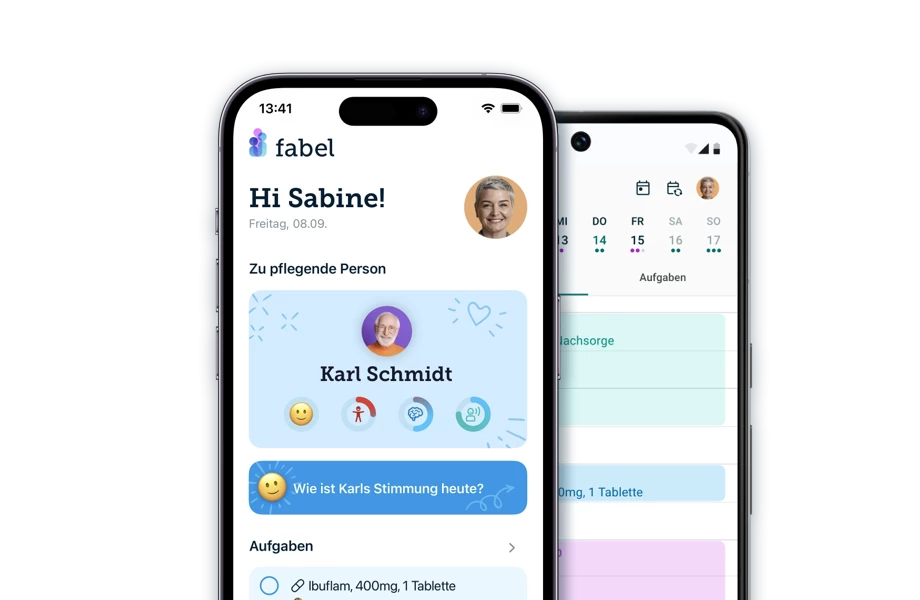
Good documentation is essential—the fabel app can help with that!
Breathing Exercises & Movement: How to Keep Your Lungs Healthy
With targeted breathing exercises, COPD patients can reduce their shortness of breath and improve lung function. These three methods are particularly helpful:
1. Lip brake – for more relaxed breathing
- Take a deep breath through your nose
- Press your lips together lightly and exhale slowly through your mouth
- Helps keep the airways open and reduce shortness of breath.
2. Diaphragmatic breathing – strengthens the diaphragm
- Place your hands on your stomach & take a deep breath in through your nose
- Feel your belly rise, then exhale slowly through your mouth
- Supports natural breathing & improves oxygen intake.
3. Coachman's Seat – Immediate Relief for Shortness of Breath
- Sit on the front edge of a chair, resting your elbows on your knees
- Breathe calmly and deeply—this position relaxes the respiratory muscles
- Provides immediate relief for acute shortness of breath and relaxes the bronchial tubes.

Tip: Light walks and exercises improve lung function and slow the progression of the disease!
Conclusion: How to Provide Effective Care for COPD Patients
Proper care can make life with COPD noticeably easier. With targeted breathing exercises, appropriate home modifications, and effective oxygen therapy, patients can remain mobile and active for longer.
👉🏻 Find more tips on COPD care and support for family members in the fabel app!